(Bolzano - Amsterdam)
Andreas Trenker and Giulia Faccin
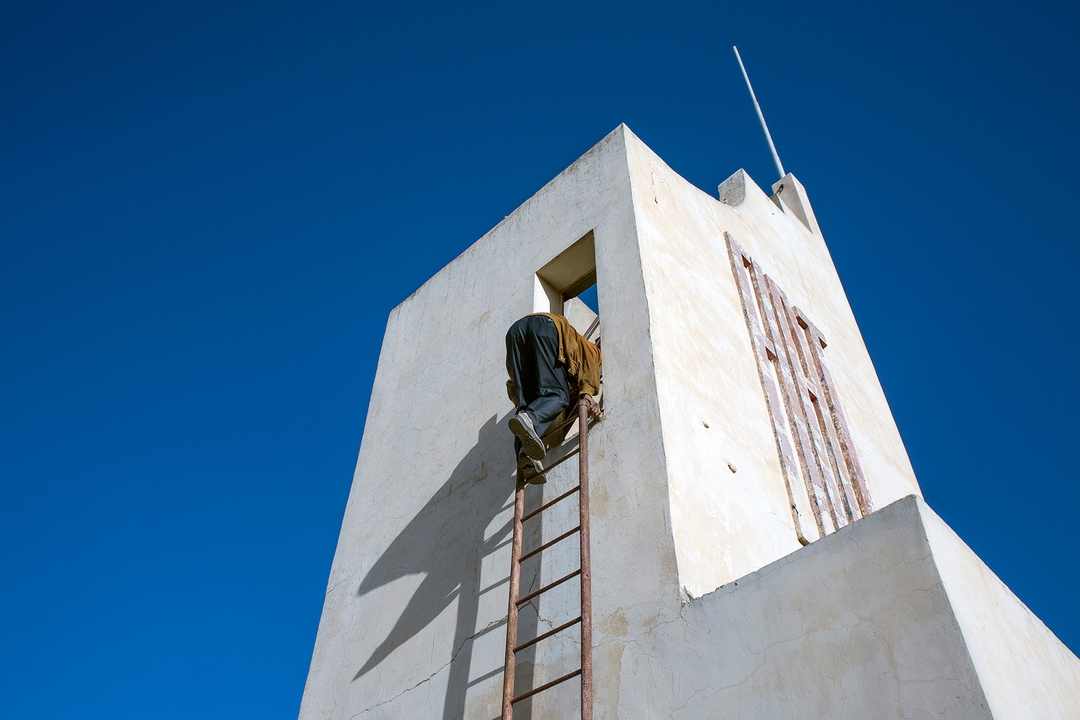
Andreas Trenker and Giulia Faccin recently returned from their research trip to Eritrea, where they explored the connections between Italy’s colonial past.
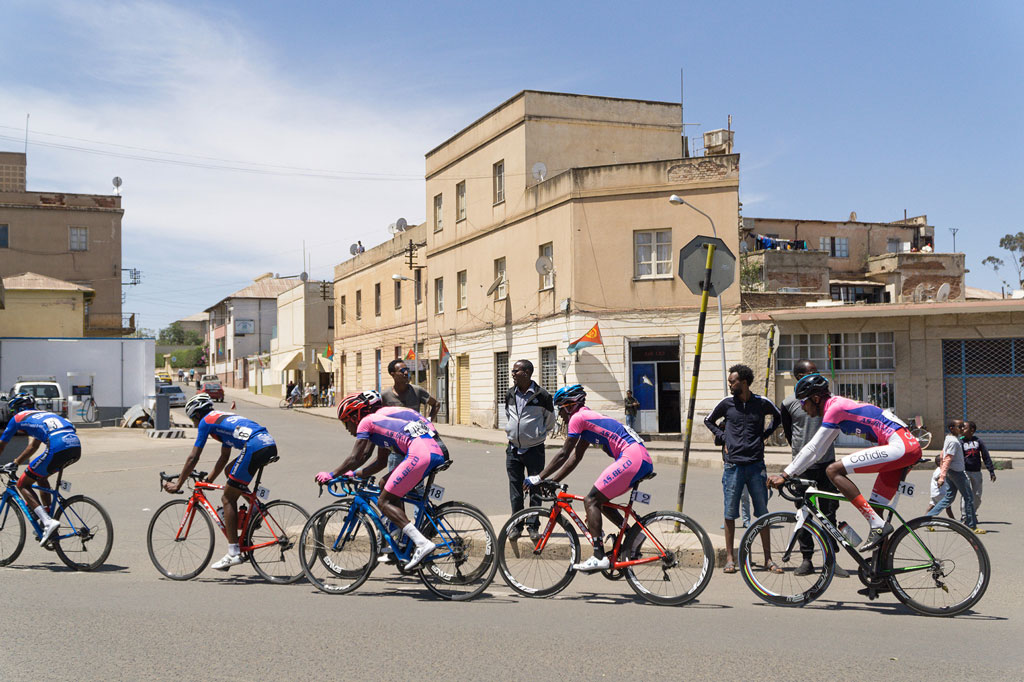
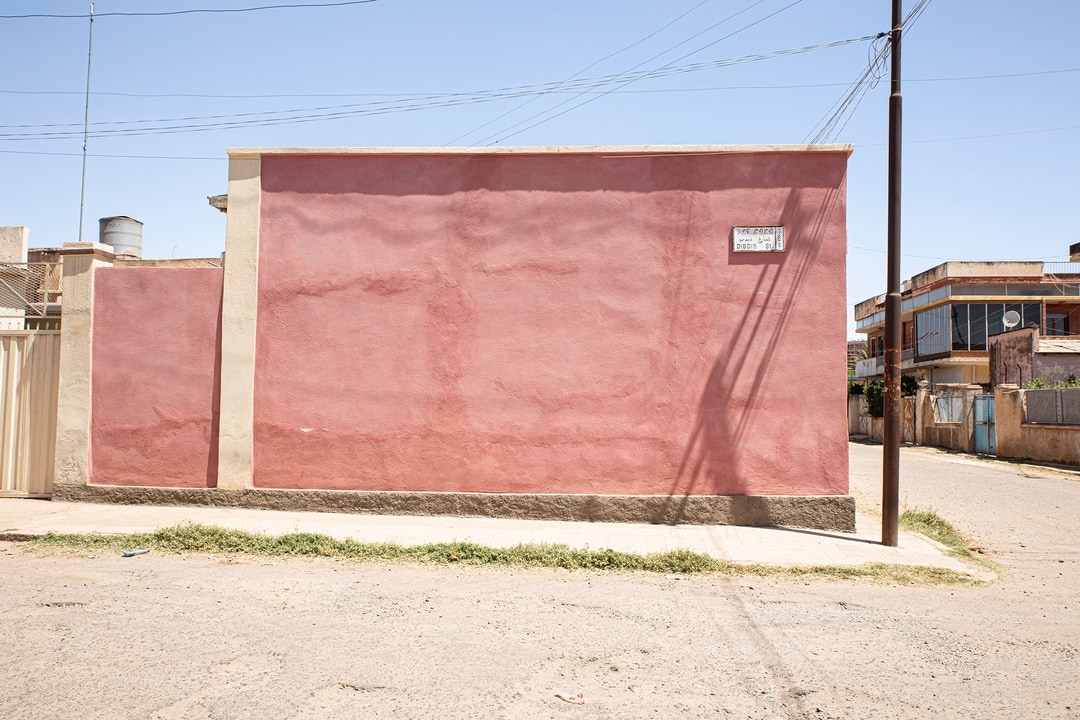
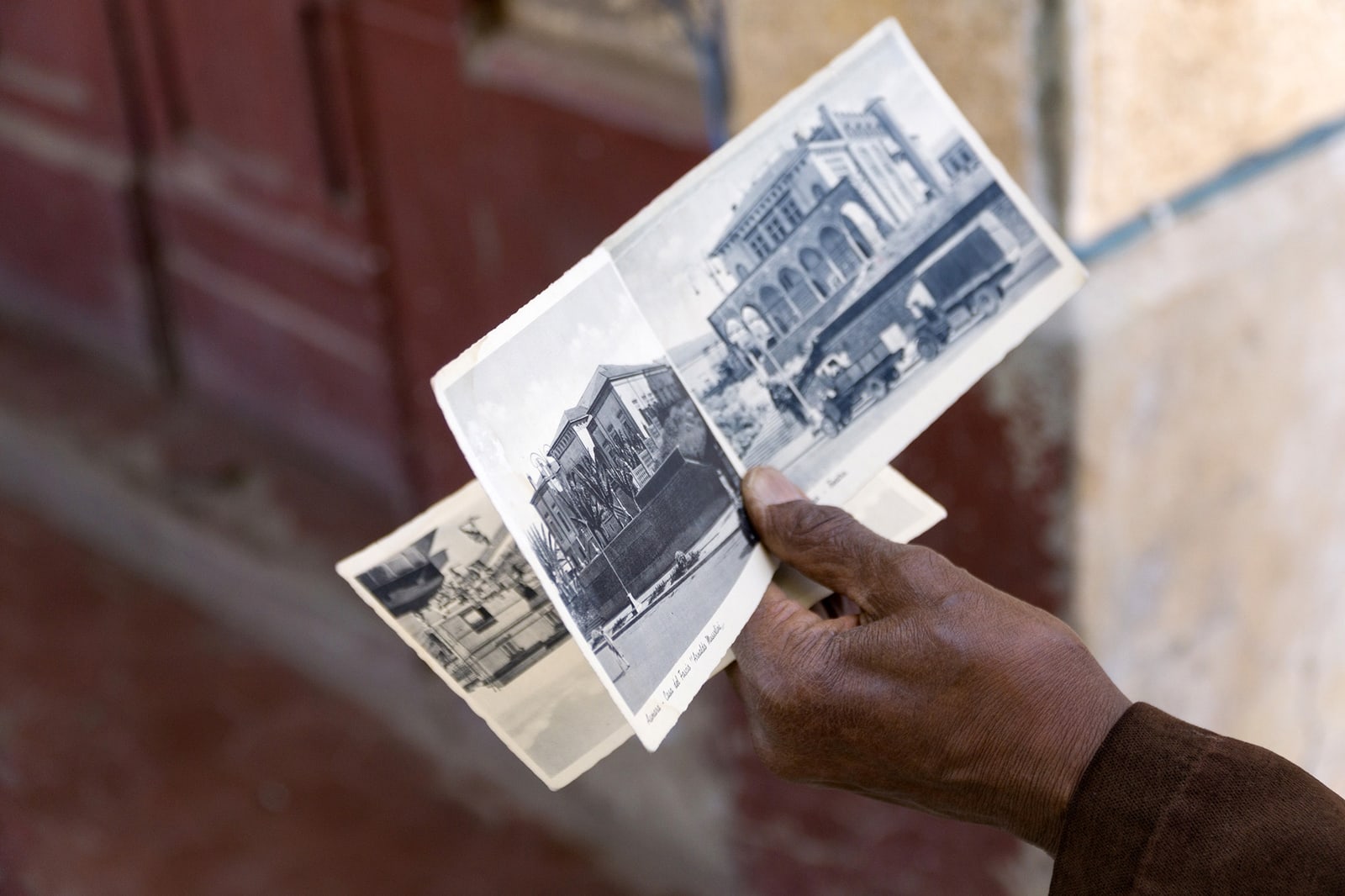
The starting point of the project was toponomastics and urban planning, which took place in the cities of Asmara (Eritrea) and Bolzano during the period of fascist presence in the respective territories. Just as streets in Bolzano can still be found with clear references to the colonial past (the Via Amba Alagi is an example of this), there were as many places in the Eritrean capital Asmara, whose names emphasized the connection to the Italian state. The latter have changed depending on the subsequent governments, while they remain unchanged in Italy. Despite the physical presence of this historical connection, the collective Italian memory seems to have supplanted the colonial past. In Eritrea, however, this memory is very vivid and tangible. The Italian presence is not limited to architecture, but is still present in various aspects of everyday life, such as food, language, customs and culture. Even if the historicity of events could suggest parallels between the two realities (in South Tyrol and Eritrea), it must be emphasized that it would be naive and superficial to draw common conclusions.
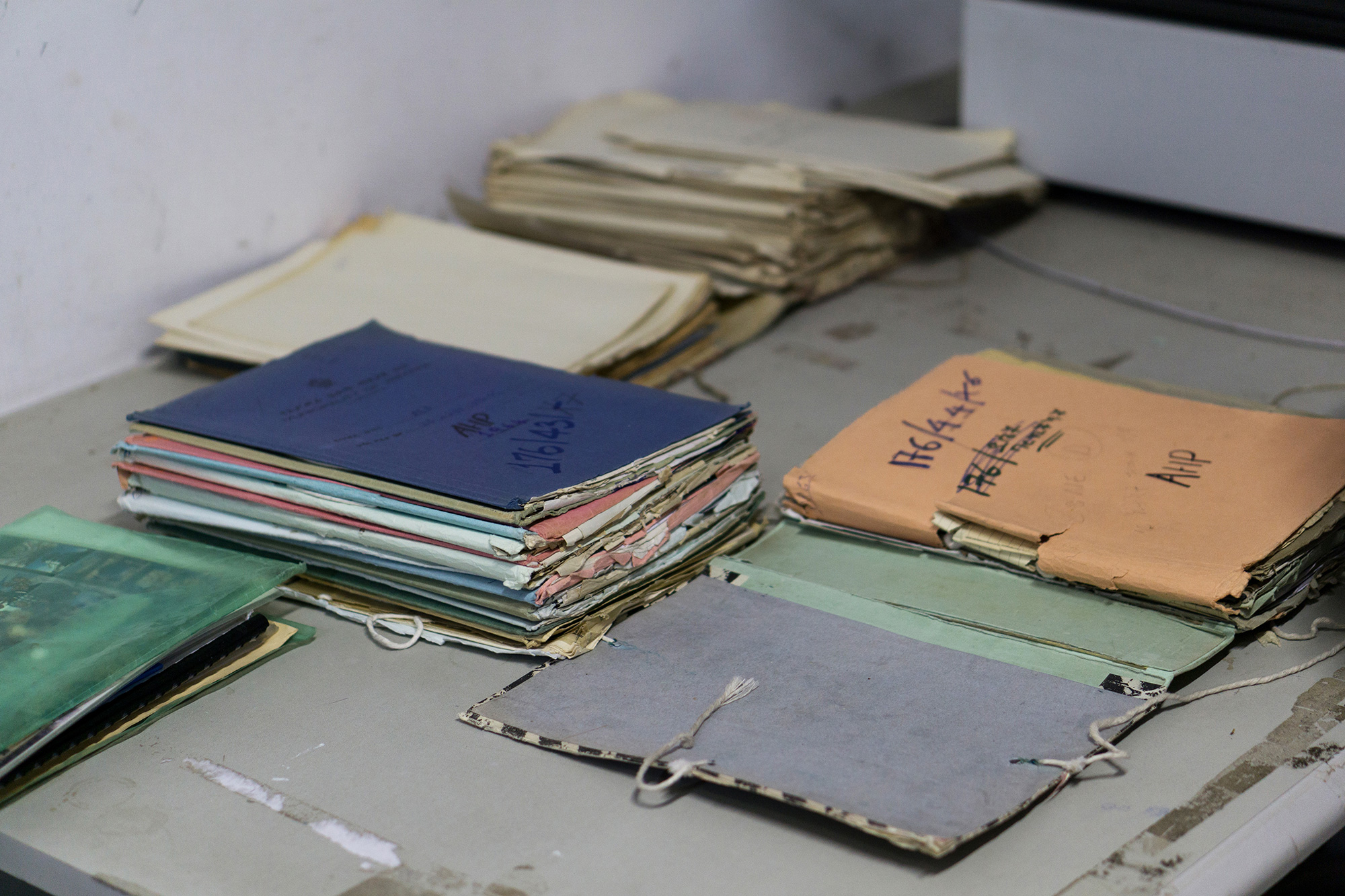
The research on the ground was based on encounters and direct experiences, with the aim of opening an opaque chapter in Italian history and thus stimulating a dialogue about the colonial past, a reflection on its effects in the present and an invitation to imagine the future . The visits to the Asmara Technical Office and the numerous interactions with the local population have helped to reaffirm the human component versus the architectural.
The aim of the final project is to make this experience accessible in the form of a multimedia preparation and to make it available both online and in the context of a public discussion with the audience.
Text: Andreas Trenker